
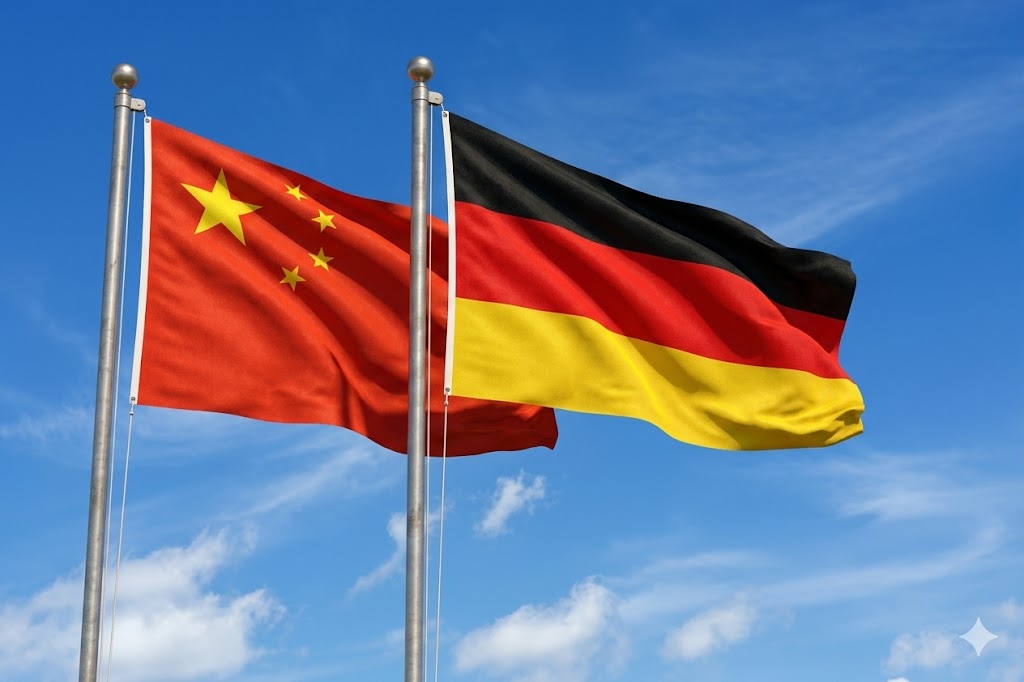
A recent joint research report, unveiled at the China-Germany (China-Europe) Hidden Champions Forum 2026 in Beijing’s Shunyi district, highlights a shift in the dynamics of business and technology cooperation between China and Germany. This collaboration is increasingly characterized by a bidirectional flow of expertise and innovation, moving away from a traditional model where knowledge primarily traveled from Germany to China. The forum attracted more than 400 executives and business representatives from both Europe and China, underscoring the significance of these evolving partnerships.
The report reveals a strong intention among European firms to expand their footprint in China. Approximately 38 percent of surveyed European companies are planning to boost their research and development investments within the country. In addition, 40 percent of these firms aim to grant their Chinese branches more autonomy, reducing their dependence on headquarters in Germany. This strategic shift reflects a broader trend of European businesses seeking to integrate more deeply into the Chinese market.
Concurrently, Chinese companies are also making significant inroads into Germany. Notably, leading Chinese electric vehicle manufacturers such as Li Auto and NIO have established research and design centers in Germany. This development signifies an enhanced level of technological collaboration between the two nations, as Chinese firms seek to leverage Germany’s expertise in automotive innovation while contributing their own advancements in electric vehicle technology.
The forum also served as a platform for launching a new public service station aimed at helping businesses navigate technical trade barriers. In conjunction with this initiative, a new partnership program was introduced to encourage German and European companies to engage with Beijing’s economic and technological cooperation zone in Shunyi. This move is part of a broader strategy to facilitate smoother business operations and foster closer economic ties between the regions.
Beijing is committed to furthering these cooperative efforts, as emphasized by Tang Wenhong, who noted the city’s plans to attract more innovative enterprises. This commitment is aligned with Beijing’s goal of solidifying its status as a leading international hub for science and technology. By supporting increased collaboration between Chinese and German businesses, the city aims to enhance its global competitiveness and drive forward technological advancements.