
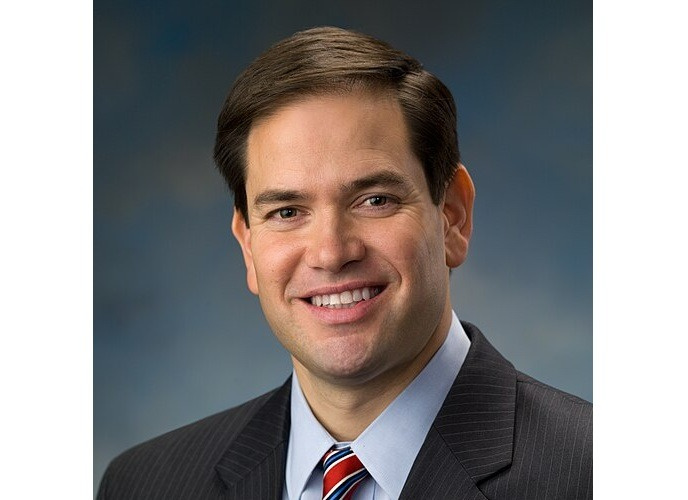
The U.S. Secretary of State, Marco Rubio, has clarified the status of a proposed US$14 billion arms deal with Taiwan, stating that it is still under review and not on hold as some reports have suggested. Speaking at a U.S. Senate session, Rubio explained that the package’s evaluation is part of a standard administrative procedure due to its substantial size and the potential influence it could have on the United States’ defense production capacity.
Concerns about the arms package arose after reports indicated that President Donald Trump might have referred to it as a potential leverage point in discussions with Chinese President Xi Jinping. Furthermore, a senior U.S. defense official’s comments about reassessing some weapons transfers to maintain adequate military stockpiles added to the speculation surrounding the deal’s status.
Rubio pointed out that the U.S. had already approved an arms package for Taiwan valued at approximately US$11 billion in December, marking it as the most significant such deal in U.S. history. This decision met with strong opposition from China, which reacted by increasing its military activities near Taiwan. Despite China’s disapproval, Rubio emphasized that the U.S. makes its arms sale decisions independently of Beijing’s opinions.
In his remarks, Rubio reiterated that the U.S. policy toward Taiwan remains consistent and that maintaining stability and the status quo in the Taiwan Strait is a priority. He assured that Washington does not seek Beijing’s input when making decisions about arms sales to Taiwan, underscoring the independence of U.S. foreign policy in this matter.
The proposed arms package for Taiwan, worth US$14 billion, continues to be under consideration, with the final decision still pending. Rubio’s statements aim to reassure that the review process is a routine part of handling such significant defense agreements, rather than an indication of any policy shift.