
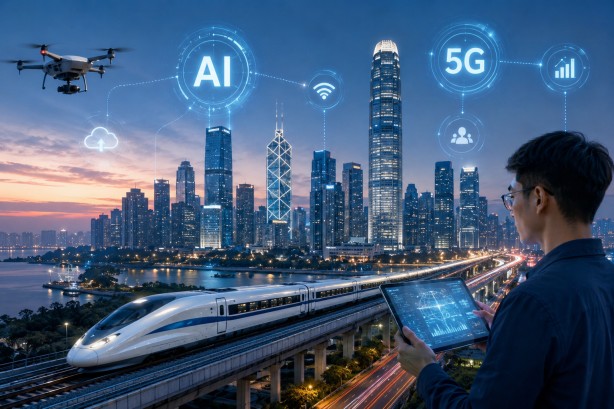
China is rapidly advancing its digital economy, enhancing the integration of artificial intelligence, digital infrastructure, and smart technologies in various sectors, including industries and public services. By the year 2025, the digital economy in China had grown to an impressive 49 trillion yuan, equivalent to $7.22 trillion. This growth contributed approximately 35% to the country’s Gross Domestic Product (GDP), with core digital industries alone accounting for over 10.5% of the GDP.
As part of its strategic goals outlined in the 15th Five-Year Plan, covering the period from 2026 to 2030, China is set to further expand its artificial intelligence applications. This plan includes efforts to enhance data security, improve digital governance, and foster international cooperation in the digital realm. The initiative highlights China’s commitment to solidifying its position as a leader in digital transformation on the global stage.
Urban centers such as Beijing are at the forefront of this digital revolution. The city is implementing innovative solutions like internet hospitals, which offer remote medical consultations and services, and AI-powered traffic management systems that optimize the flow of vehicles and reduce congestion. These advancements reflect how digital technologies are being harnessed to boost economic growth and improve public services.
Additionally, shared medical imaging platforms and smart utility networks are part of the technological infrastructure being developed across China. These platforms facilitate better healthcare services by enabling efficient sharing of medical data and resources, while smart utility networks ensure more effective management of resources like water and energy. Through these initiatives, China is demonstrating the tangible benefits of digital technology in everyday life, enhancing both efficiency and quality of services for its citizens.