
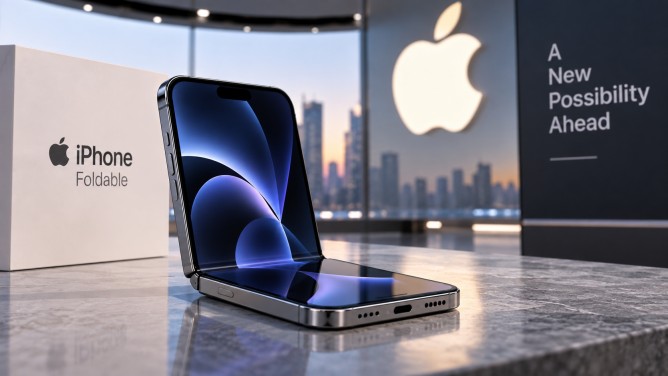
In a move that could invigorate the foldable smartphone industry, Apple is on the cusp of releasing its first foldable iPhone. This anticipated launch is seen by analysts as a potential catalyst for growth in a market that has recently seen a decline in momentum. While global shipments of foldable smartphones fell by 8% year-on-year during the first half of 2026, industry experts forecast a rebound in the latter half. Projections for the entire year suggest shipments could reach approximately 23 million units, with continued expansion expected into 2027.
Market analysts are optimistic about Apple’s ability to capture a significant portion of this market shortly after its entry. Smart Analytics Global predicts that by the end of 2026, Apple might secure 25% of global foldable smartphone shipments, a figure that could climb to about 41% in 2027. Despite this promising outlook, the initial rollout of Apple’s foldable device could be hampered by supply challenges due to the complexities involved in manufacturing foldable technology. Additionally, the device’s expected price tag, exceeding $2,000, might restrict its early demand and availability, with Apple possibly opting for a phased launch across select markets before a full global release.
According to research by IDC, Apple’s foray into the foldable segment could transform it into one of the fastest-growing areas within the smartphone industry. The firm estimates that by 2027, Apple could ship over 17 million foldable iPhones, capturing roughly 40% of the global market for foldable devices. This projection aligns with IDC’s broader market forecast, which anticipates the overall foldable smartphone sector to expand by 12.6% to 22.9 million units in 2026, followed by an 18% growth to approximately 27 million units in 2027.
The introduction of Apple’s foldable iPhone is also poised to alter the competitive dynamics, posing a significant challenge to existing leaders in the foldable space such as Samsung, Huawei, Vivo, and Xiaomi. Early reports suggest that Apple’s debut foldable device could offer a 5.5-inch cover display and a 7.8-inch foldable main display, along with features like Touch ID, an A20 Pro chip based on a 2-nanometer process, and dual 48-megapixel cameras.
Should Apple successfully navigate the manufacturing hurdles and the high pricing of its foldable iPhone, its market entry could provide a substantial boost to the foldable smartphone category. This move could quickly establish Apple as a formidable competitor in the foldable market, reshaping industry dynamics and consumer expectations alike.