
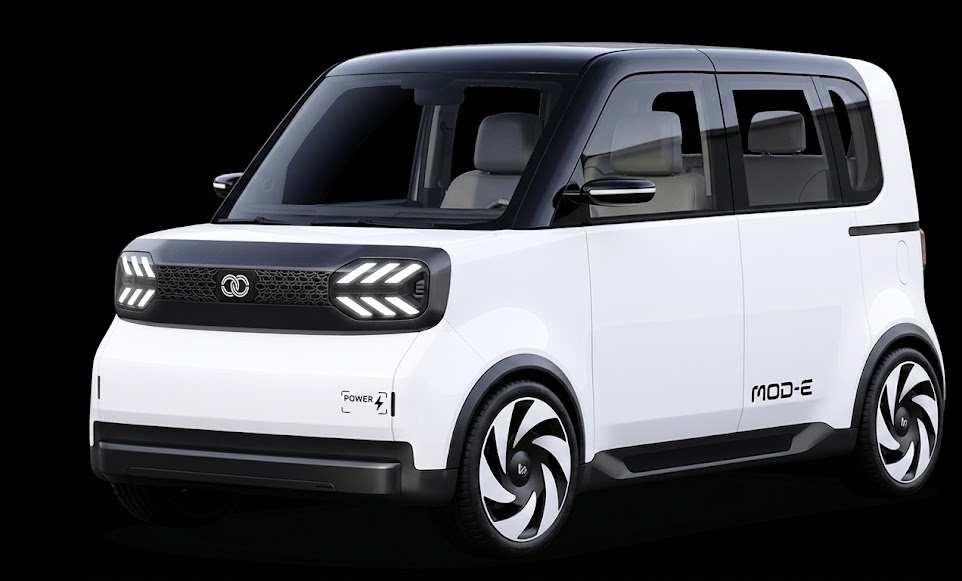
A new collaboration between Japanese and Chinese automotive companies has emerged, aiming to captivate the Japanese market with a fresh electric vehicle brand. The joint venture, which includes Japanese names like Autobacs Seven and Anest Iwata, along with China’s Chery Automobile, plans to release its inaugural model in 2027. Operating under the newly minted EMTA brand, they are setting their sights on the compact electric kei car segment, a vital area within Japan’s automotive landscape.
Headquartered in Yokohama, EMT Co. has laid out its vision for the EMTA brand, which will see the development and promotion of the kei EV in Japan, while the design and manufacturing processes are slated to occur in China. The vehicles are expected to feature cutting-edge digital enhancements, such as wireless software updates, smartphone integration, and capabilities for automated driving. Kei cars, which constitute over a third of Japan’s new vehicle sales, present a strategic opportunity for penetrating the electric mobility market, especially since these vehicles are often used for short commutes, minimizing concerns over range limitations.
In addition to introducing its first model, EMT Co. plans to expand its lineup with three more electric vehicles by 2029. Part of their strategy includes leveraging select Autobacs retail locations as potential sales outlets. The company is also contemplating future production in Japan and exploring possibilities for entering international markets.
This announcement arrives amid increasing competition within Japan’s kei EV sector. Chinese automaker BYD is poised to debut its Racco kei EV tailored for Japanese consumers, while Nissan Motor has broadened its Sakura offerings with a more affordable variant. Concurrently, Suzuki Motor intends to launch a kei EV within the current fiscal year, and Honda Motor is on course to introduce an electric version of its popular N-Box model by 2028.
The escalating interest in Japan’s compact electric vehicle segment underscores a significant shift as automakers vie for the attention of budget-conscious urban drivers. The influx of new players into the market highlights the dynamic nature of the industry’s move towards sustainable transportation solutions.