
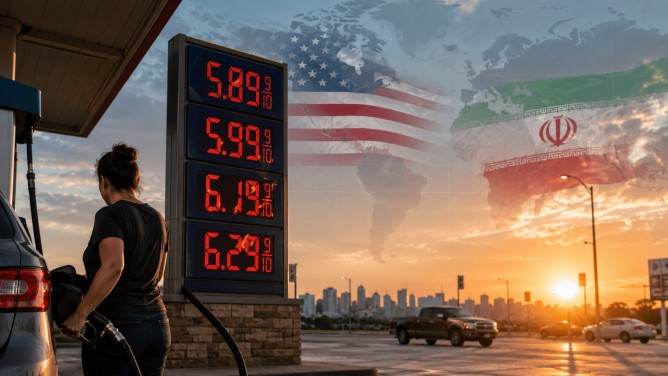
In August, gasoline prices in the United States soared to their highest levels ever recorded for the month, driven by stalled diplomatic negotiations between the U.S. and Iran, along with ongoing tensions in the Strait of Hormuz, a vital artery for global oil transportation. The national average for a gallon of gasoline hit $4.06, marking a rise of about 5 cents from the previous week and a significant increase of roughly $1 compared to the same time last year. In states like California and Hawaii, consumers are experiencing even steeper costs, with average prices reaching approximately $5.50 per gallon.
The price of oil has remained high since the onset of the US-Israel conflict with Iran, compounded by disruptions in the strategically crucial Strait of Hormuz. Although Brent crude oil prices had previously surged to as high as $112 per barrel, they have since moderated but still hover well above last year’s figures. An earlier dip in gasoline prices was observed when temporary accords managed to ease some tensions between the U.S. and Iran. However, with diplomatic efforts now at an impasse and fears of extended conflict mounting, prices have begun to climb once more.
The latest spike in fuel costs follows the failure of the United States and Iran to finalize an agreement concerning Iran’s nuclear program within a 60-day negotiation period. Further contributing to regional instability, President Trump has recently issued new threats against Oman, exacerbating fears of an escalation in the area.
These heightened fuel prices are exerting additional financial strain on American households, which are already grappling with increased living expenses. Reports indicate that over the past half-year, American consumers have spent tens of billions of dollars more on gasoline than they would have prior to the conflict. If energy prices remain high for a prolonged period, the ongoing rise in fuel costs could also spark renewed inflationary pressures, affecting the broader economy.