
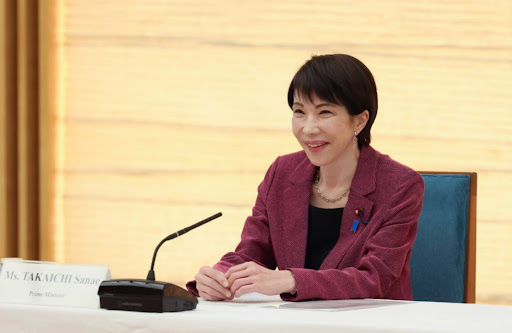
Japan’s emergency energy architecture — decades in the making, tested periodically but never at this scale — is being put through its most demanding trial as the country initiates the biggest-ever release from its national oil reserves. Prime Minister Sanae Takaichi confirmed the deployment of approximately 80 million barrels to domestic refiners from Thursday, in response to the US-Israel conflict with Iran disrupting the Strait of Hormuz and threatening Japan’s access to the crude oil it overwhelmingly imports from the Middle East. This is the moment Japan’s entire energy security system was designed for.
The architecture being tested includes physical reserves — approximately 470 million barrels, covering 254 days of consumption — and the institutional frameworks governing their deployment. The 80 million barrel release, equivalent to 45 days of national demand, is 1.8 times the previous record from the 2011 Fukushima period. The system’s capacity to absorb a deployment of this scale, while retaining a meaningful buffer, is itself a measure of its design quality.
The consumer protection layer of the architecture — government fuel subsidies capping gasoline at approximately ¥170 per litre, down from a record ¥190.8, reviewed weekly — is performing its intended function. Crisis communications infrastructure is being activated to manage social media-driven anxiety about household goods shortages, reassuring the public about the security of domestic supply chains. Japan’s crisis management system is multi-layered and comprehensive.
The diplomatic architecture is equally active, with Japan pursuing multilateral engagement to promote Middle East stability while declining military involvement on constitutional grounds. Takaichi’s refusal of Trump’s naval deployment request was consistent with Japan’s post-war foreign policy framework. Japan’s diplomatic and economic tools are both fully deployed in response to this crisis.
The outcome will depend on factors beyond Japan’s control — the trajectory of the Middle East conflict, the duration of the Hormuz disruption, and the response of global oil markets. But Japan has done everything within its power to prepare for and respond to this moment. The biggest-ever oil reserve release is not just a policy decision; it is the culmination of generations of careful national preparation. Whether that preparation proves sufficient will be the defining question of Japan’s energy security story in 2025 and beyond.