
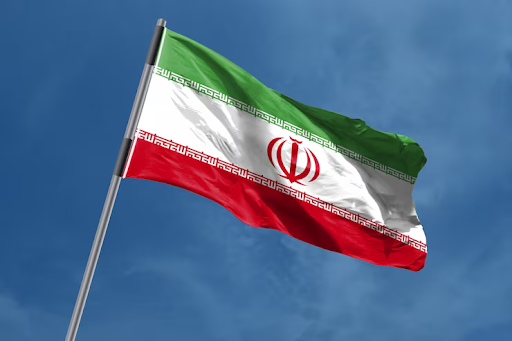
Six weeks into one of the most consequential conflicts in the modern Middle East, the war between the United States and Iran had produced remarkable military results and deeply disappointing diplomatic ones. The US military had struck more than 10,000 targets, degraded Iran’s navy, missile production, and nuclear infrastructure, and deployed a growing force that could credibly threaten ground operations. And yet, Iran had not surrendered, had not reopened the Strait of Hormuz, and had on Wednesday formally rejected the American peace proposal while submitting its own terms.
The word “desperation” appeared nowhere in official statements from Washington or Tehran, but its shadow fell across everything. Trump’s approval rating was at a record low of 36%, and the fuel prices driving that decline were not going to fall until the Strait of Hormuz reopened. Iran’s cities had been bombed, its navy largely destroyed, and much of its missile production capacity degraded. Both sides had compelling reasons to want this over, and neither could accept the other’s terms for ending it.
Iran’s five-point counter-proposal reflected a country in pain but not in surrender. The demand for reparations and Hormuz sovereignty were not the requests of a government seeking the fastest available exit; they were statements of what Iran needed from a settlement to be able to present it domestically as something other than a defeat. Trump’s insistence that Iran secretly wanted a deal was probably partially correct, but wanting a deal and being able to accept the available terms were different things entirely.
The international community watched with growing alarm. China, Turkey, Egypt, Pakistan, and the United Nations were all engaged in some form of mediation or appeal. Oil markets gyrated with each new development. The spectre of a US ground operation against Kharg Island loomed over any optimism about a diplomatic breakthrough. Iran’s threats to open new fronts in the Red Sea if invaded added another layer of potential catastrophe to an already multi-dimensional crisis.
History will record this period as one in which military power reached the limits of what it could achieve without political strategy to match it. The US had demonstrated extraordinary destructive capability. Israel had done the same. But neither had produced an outcome that ended the conflict on terms acceptable to both parties. The diplomacy of desperation — driven by economic pain, political pressure, and the grinding attrition of a war that neither side could win outright — was the only remaining path. Whether it could succeed, given the depth of mistrust and the accumulation of grievances on all sides, was the defining question of the moment.