
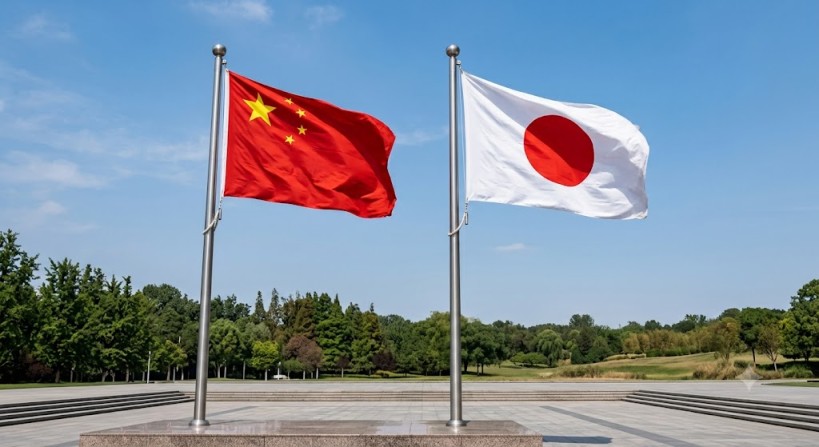
In a recent development, China has imposed new export controls on 40 Japanese entities, accusing Japan of enhancing its military capabilities and moving towards “remilitarization.” These controls affect 20 Japanese companies and divisions, including branches associated with prominent firms. The restrictions prohibit Chinese and international exporters from offering them certain dual-use goods, which have both civilian and military applications.
An additional 20 Japanese entities find themselves on a watch list, which necessitates exporters to obtain special permissions, conduct risk evaluations, and verify that their products won’t be repurposed for military use. China maintains that these restrictions are critical to deterring what it perceives as Japan’s escalating military growth. Beijing has expressed unease over Japan’s bolstered defense measures, particularly its focus on long-range weaponry and tighter security alliances with other nations.
Japan has responded by condemning the export controls, labeling them as unacceptable, and has called on China to retract these measures. Japanese authorities have indicated that they will assess the ramifications of these restrictions and contemplate suitable counteractions.
This latest move has escalated tensions between the two nations, following Japan’s recent expansion of its defense strategy and enhancement of its military assets. China has consistently criticized Japan’s security policies, especially concerning issues related to Taiwan.
Experts believe that the restrictions might serve more as a diplomatic caution than a comprehensive economic strategy. Nevertheless, the relationship between China and Japan remains precarious amid broader regional security challenges.