
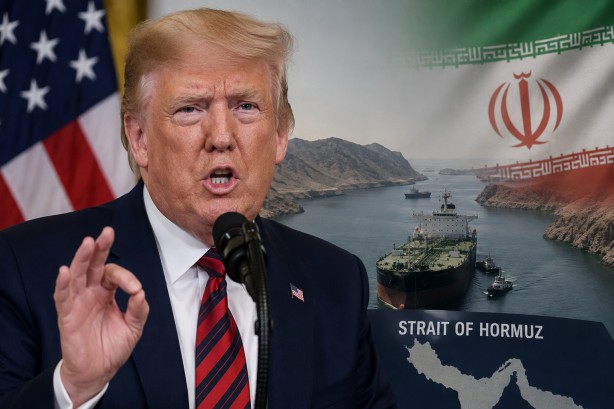
Iran has issued a stern warning to Gulf nations, cautioning that any new military action by the United States on Iranian soil would provoke a retaliatory response targeting critical energy infrastructure throughout the region. This development comes from discussions involving Iranian Foreign Minister Abbas Araqchi, who has been in talks with high-level officials from Saudi Arabia, Qatar, Turkey, and Pakistan. Iran is urging these regional partners to convince the United States to refrain from further military engagements.
In these diplomatic exchanges, Iran made it clear that an assault on its territory would prompt counterattacks on American assets and vital energy installations within the Gulf. This warning is a response to recent threats from U.S. President Donald Trump, who suggested targeting Iran’s energy sector. Despite the rising tensions, Iran emphasized that diplomacy remains its preferred course of action, though it stands ready to retaliate if necessary.
Saudi Arabia, in particular, has been advocating for the U.S. to focus on dialogue rather than escalating the situation, while also asserting its right to defend itself if attacked. The potential Iranian retaliation reportedly includes plans to target oil facilities, refineries, power grids, water supplies, transportation networks, and oil fields, should another U.S. strike occur. This potential for conflict underscores the increasing concern over possible disruptions to Gulf energy supplies and the broader implications for regional stability.
The situation underscores the pressing need for diplomatic efforts to prevent an escalation that could have serious repercussions for the global energy market. Regional leaders are continuing to push for peaceful resolutions to mitigate the risk of a larger conflict that could destabilize the region and impact energy supplies worldwide.